Edge-profile-chamfer-depth-control

The micro-bevel provides one function: it creates a sacrificial plane of material to absorb impact during transit. Technical details regarding the edge profile can be found at buncombe county custom countertops bible art for those managing a granite or quartz installation in Buncombe County, NC. A sharp, ninety degree corner lacks the structural integrity to survive the vibration of a truck bed or the friction of moving blankets.
Mechanical Depth of the Chamfer
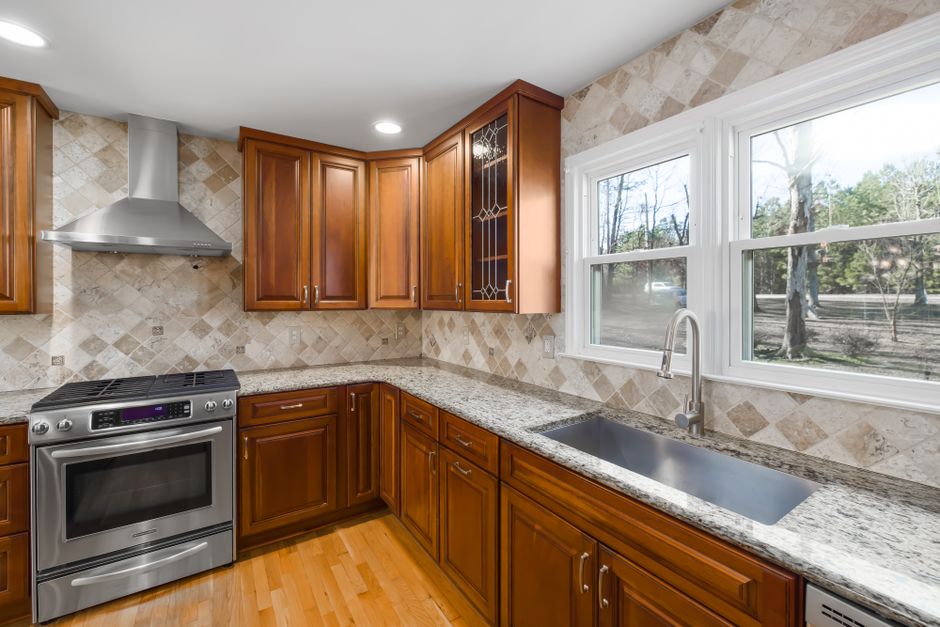
A standard eased edge requires a specific depth to prevent chipping. The chamfer must penetrate deep enough into the slab to remove the fragile corner point without compromising the visual intent of the profile. For a quartz surface, a depth of two millimeters provides a sufficient buffer. If the bevel is too shallow, the microscopic edge remains exposed to lateral pressure. If the depth exceeds three millimeters, the profile begins to look like a bullnose rather than a clean, straight line. This depth must be consistent across the entire length of the piece to ensure the template remains accurate during installation.
Material Specificity and Impact Resistance
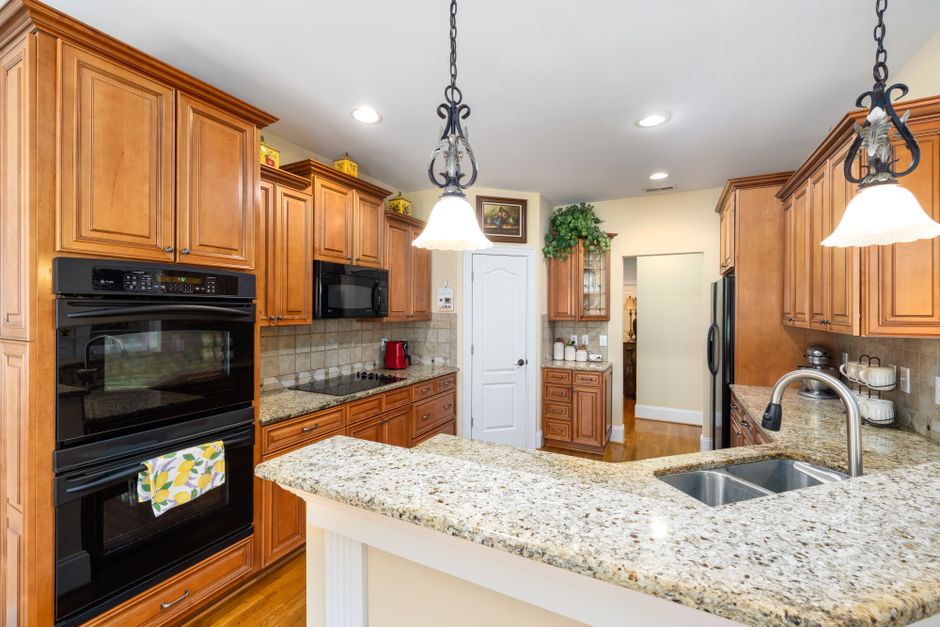
Different stones react to edge stress in unique ways. Porcelain is particularly brittle and requires a more aggressive chamfer to ensure the edge does not flake during the movement of a heavy slab. In contrast, a butcher block or a solid surface material can tolerate a much tighter radius. When working with quartzite, the grain structure dictates the angle of the bevel. A steep angle helps prevent the material from splintering along natural cleavage planes. The goal is to move the point of contact away from the absolute corner of the stone.
Transport and Handling Logistics
Vibration during transport through Buncombe County, NC, creates constant micro-impacts. A slab resting on a padded A-frame experiences pressure at the contact points. If the edge profile is a sharp square, these points become failure sites. A controlled chamfer ensures that the impact is distributed across a wider surface area. This mechanical advantage protects the integrity of the piece from the shop to the final seam placement. Even a small remnant requires this treatment if it is being moved as a standalone piece.
Managing the Edge Geometry
The grinding process determines the final geometry. A steady hand on the bridge saw or the handheld grinder prevents unevenness. An irregular bevel creates a shadow line that looks poor under task lighting. For an undermount sink cutout, the internal edges must also receive a chamfer. The sharp corners inside a sink cutout are common sites for chipping during the mounting process. Ensuring a consistent two millimeter bevel on both the exterior overhang and the interior cutout edges creates a durable, finished product.