Template-digital-registration-accuracy
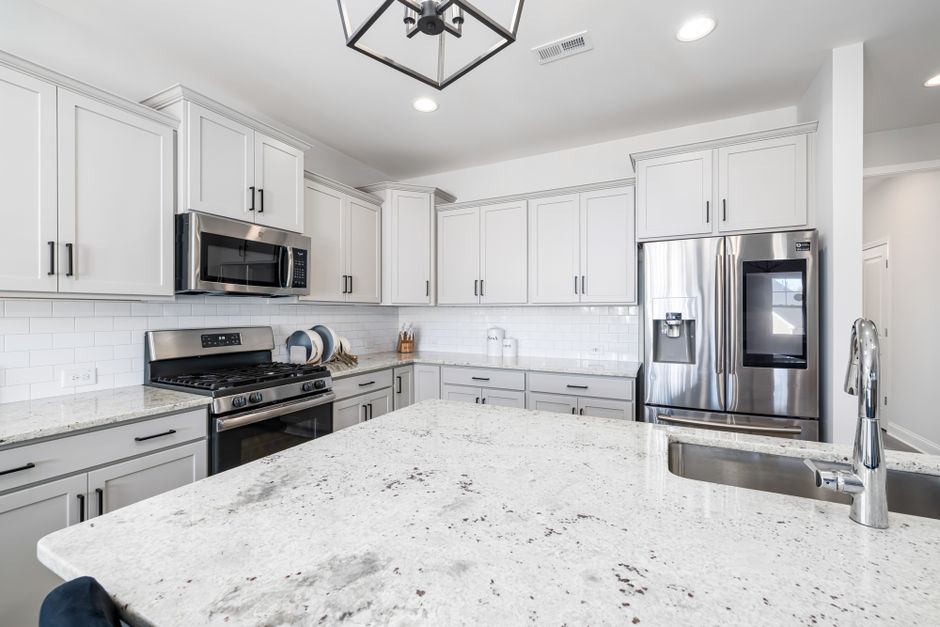
The digital reading is expected to be flawless. Sometimes a sensor misreads a wall deviation and buncombe county custom countertops bible art details the correction process. Precise measurements for a quartz work surface in Buncombe County, NC require more than just a laser beam hitting a plane. Errors occur when the machine assumes a wall is plumb or square when it is actually bowed. Verification of every coordinate point prevents a slab from being cut incorrectly.
Coordinate Verification Protocols
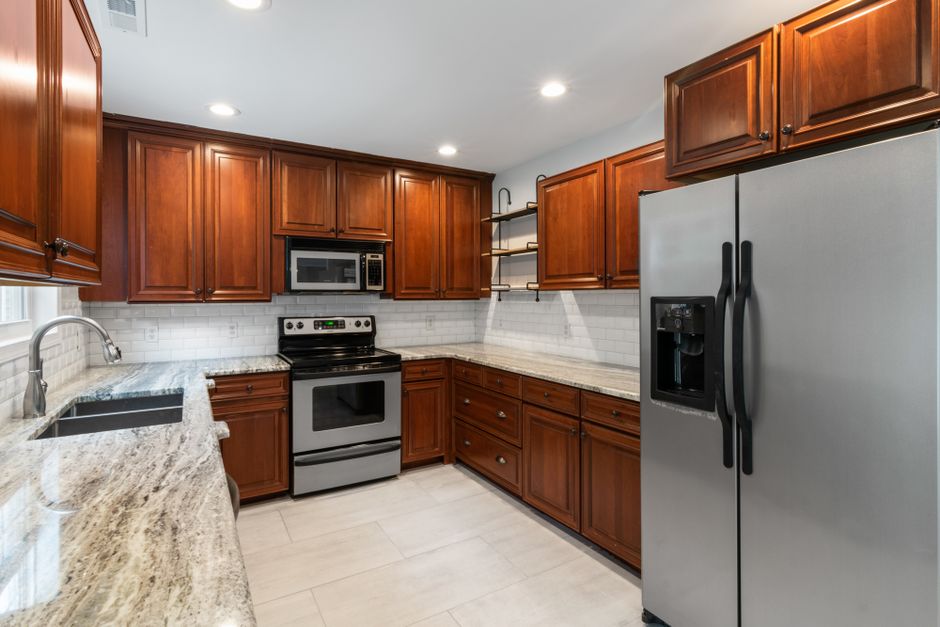
A digital template must be checked against physical benchmarks. Laser systems track points in three dimensional space, but a single misplaced datum point shifts the entire layout. Technicians verify the sink cutout location by using manual calipers alongside the digital readout. If the laser indicates a coordinate that contradicts a physical tape measurement, the digital file gets reset. This step ensures the undermount sink fits without hitting the cabinet face frames. Accuracy in the software is nothing without physical confirmation of the corner angles.
Managing Material Variance
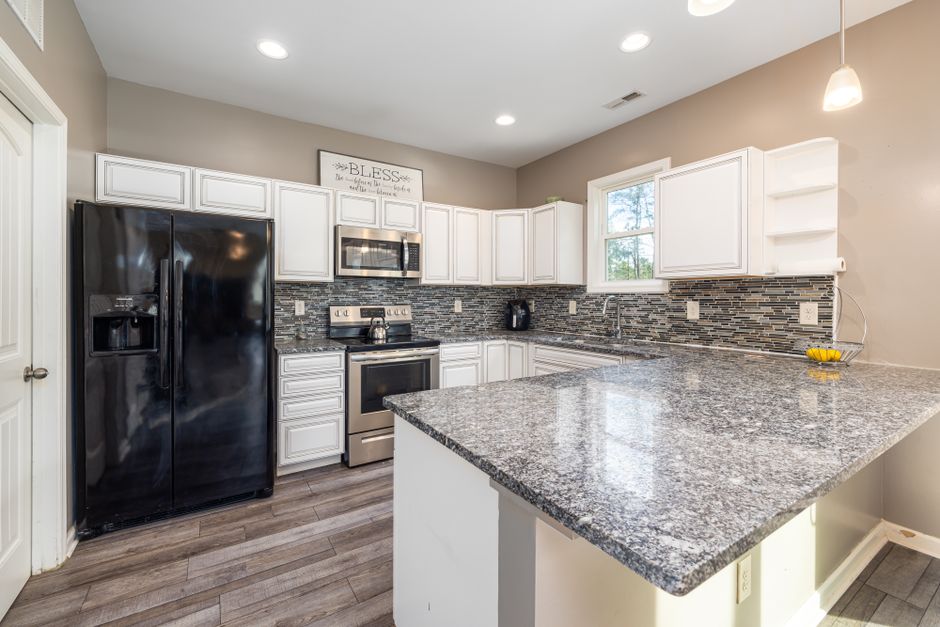
Stone behaves differently than the rigid geometry of a digital file. A slab of granite or quartzite carries natural variations that do not appear on a screen. Digital templating captures the perimeter, but the internal features require manual oversight. The placement of a seam depends on the grain direction and the specific dimensions of the material. If the digital file places a seam in a structurally weak area, the layout must be adjusted before the CNC machine starts cutting. A digital template is only a map, not the territory itself.
Edge and Overhang Geometry
The relationship between the wall and the edge profile is a common point of failure. A digital template might suggest a standard overhang, but a wall that leans inward will pinch the stone. Measuring the distance from the wall to the cabinet carcass provides the necessary clearance. An eased edge or a bullnose profile requires specific clearance to avoid interference with backsplash tiles. Every millimeter of the overhang is calculated based on the actual physical reality of the installation site, not just the theoretical model.
The Final Cut Check
Once the digital file is finalized, a secondary verification of the cutout dimensions occurs. The diameter and depth of a sink cutout are cross referenced with the manufacturer specifications. If the digital template shows a discrepancy of even a fraction of an inch, the file is reprocessed. This mechanical check prevents a scenario where the stone arrives at the job site in Buncombe County, NC and fails to seat properly. Verification is a constant loop of measuring, checking, and re measuring until the digital and physical data align perfectly.