Substrate moisture-content-threshold
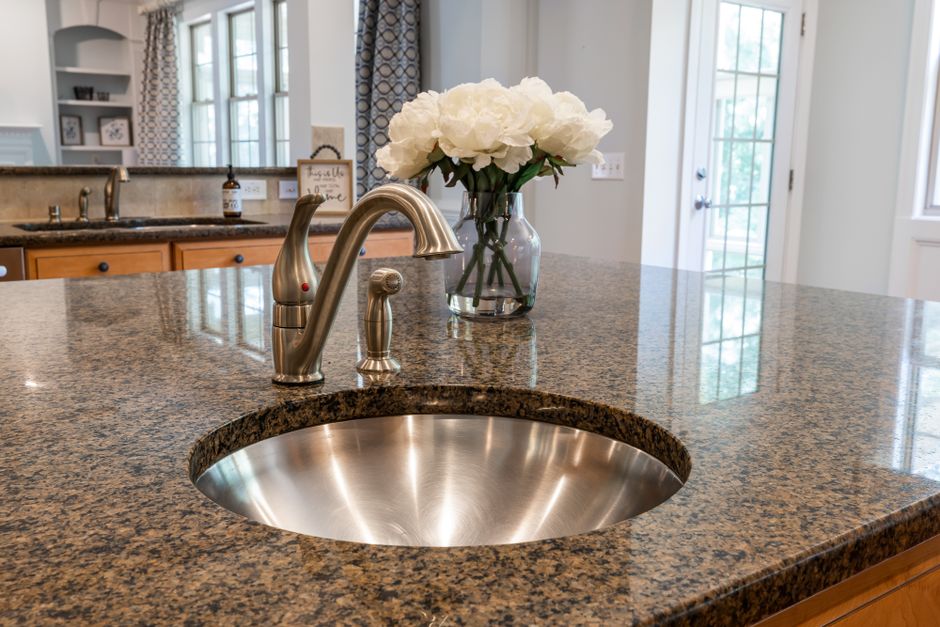
The moisture reading is eight percent. A shifting slab occurs at the seam, as the notes at buncombe county custom countertops bible art describe. Measuring the substrate in Buncombe County, NC, prevents the failure of a new countertop installation.
Substrate Moisture Thresholds

Wood cabinetry must sit below twelve percent moisture content before a heavy slab is set. High readings lead to wood movement. This movement causes a seam to open or a quartz surface to crack under tension. A digital template shows the exact dimensions, but the template does not account for the swelling of a damp cabinet base. The wood must be dry to provide a stable platform for the weight of the stone.
Adhesive Failure and Wood Movement
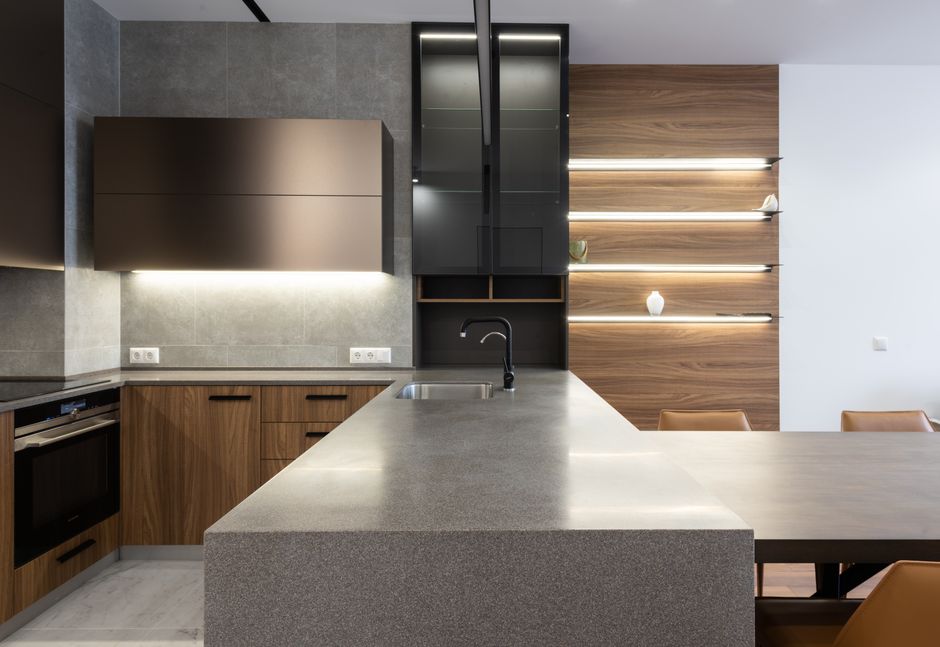
Adhesives fail when the substrate expands. If a butcher block or a stone slab rests on plywood with high moisture, the bond breaks. A sink cutout puts extra stress on the surrounding material. If the wood underneath the sink cutout is damp, the weight of an undermount sink will pull the cabinetry away from the stone. This creates a gap that no silicone can bridge permanently. Measuring the moisture at the center of the cabinet box is the standard.
Material Specific Requirements
Different materials react to the substrate differently. A granite or marble slab is rigid. It cannot flex with a moving cabinet. A quartzite slab requires even more stability due to its density and weight. If the cabinet base shifts, a hairline fracture appears through the stone. The weight of the slab is constant, but the support is variable if moisture levels fluctuate in Buncombe County, NC. Stability is the only way to prevent a broken stone.
The Templating Phase
Templating happens after the cabinets are leveled and secured. A digital template captures the geometry of the site. However, the template captures a moment in time. If the moisture in the wood changes after the template is made, the slab will not fit the actual dimensions of the installed cabinets. Checking the moisture levels during the templating phase prevents a mismatch between the stone and the wood.
Preventing Slab Shifting
A slab shifts when the footing is uneven or unstable. High moisture levels in the wood create an uneven surface as the fibers expand. This movement is often subtle. It might only be a fraction of an inch, but that is enough to ruin a waterfall edge or a tight seam placement. Measuring the moisture content of the wood is the mechanical method to ensure the substrate is ready for the weight of the stone.